
Elite 1 Restoration

Mold Removal

We offer professional mold removal and remediation services to help property owners restore a safe and healthy environment by addressing the damaging effects of mold growth.

Professional Mold Remediation Contractors

Denver Mold Removal

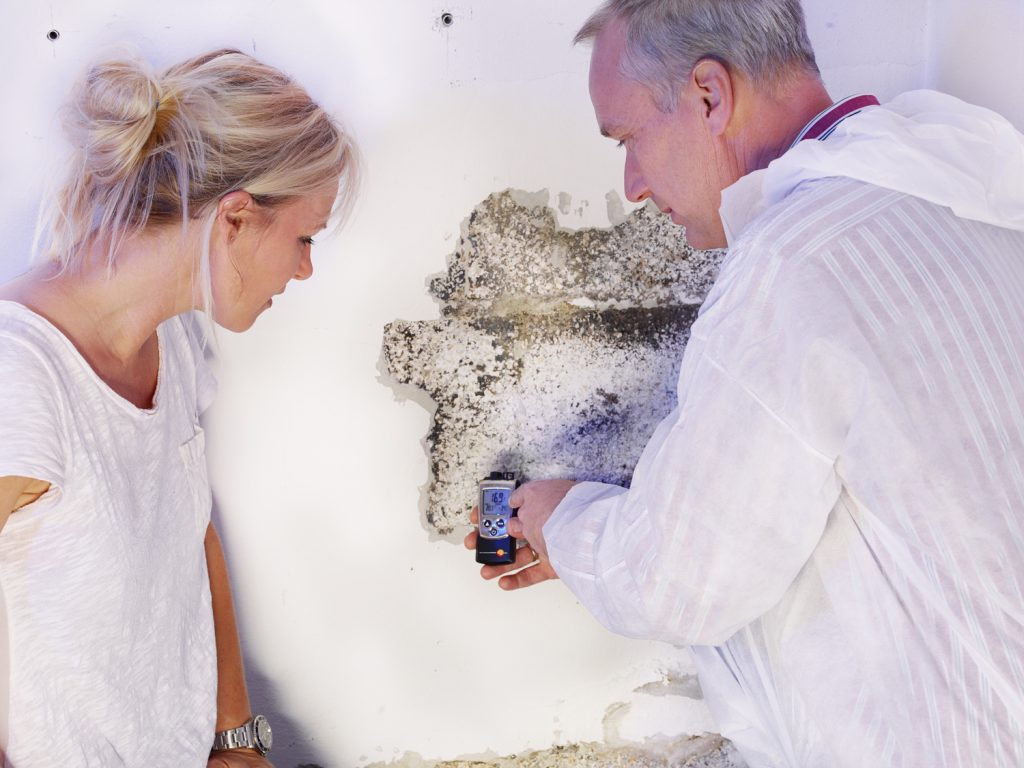
One of the most significant issues property owners face after water damage caused by flooding or plumbing leaks is mold growth. Even a little moisture in a home’s air can support mold growth. Mold doesn’t go away because it appears dry or you can’t see any moisture.

Mold can easily damage building materials and lead to serious health concerns for those exposed. As a property owner, you should always make sure that all mold infestation issues are resolved as swiftly as possible to avoid unnecessary issues further down the line.

Mold remediation and removal are the only effective ways to remove mold from your property and make it safe for customers, tenants, and employees. If you are looking for mold restoration services, Elite 1 Restoration can help.

Why Choose Elite 1 Restoration?

Elite 1 Restoration is one of Denver’s top mold restoration companies, catering to commercial and residential clients. Here are some of the main reasons why you should work with us:

-Years of Experience

We have a team of highly experienced mold remediation and restoration experts. Armed with years of training and hands-on experience, we are qualified to provide top-rated professional restoration and cleaning services.

-IICRC Certified

To further reinforce our team’s competency in providing top-quality mold restoration services, we are IICRC Certified. This means, among other things, we can effectively work in mold-contaminated environments and conduct mold remediation for contents and structures.

-Locally Owned & Operated

Are you looking to work with a local company? We have you covered. Elite 1 Restoration is locally owned and operated. When you choose to work with us, you can be sure you are partnering with a company that is well-versed in the needs of the local market. Furthermore, working with a local service provider also means that you do your part in supporting the community.
Mold Removal

cut

What Is The Process Of Mold Removal?

Proper mold removal follows a meticulous process. The main steps involved include:

-Find the Water

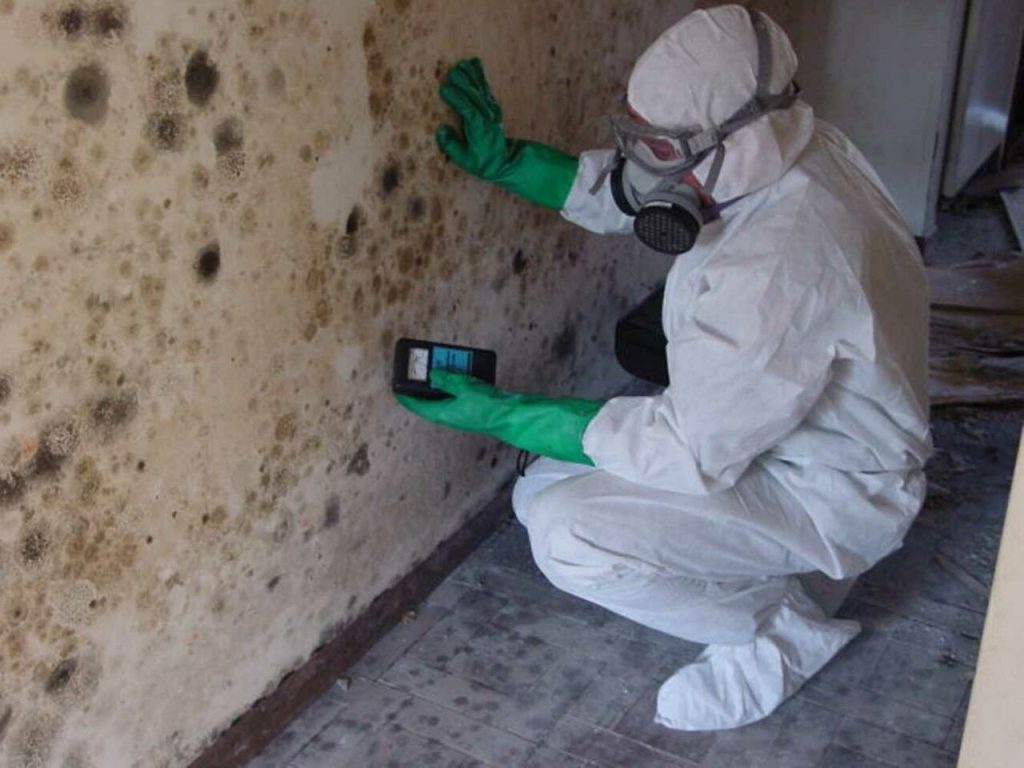
The key to mold removal is moisture control. Mold grows on moist surfaces, so the first step of the removal process involves assessing the cause of the mold—i.e., locating the moisture.

-Isolate

Once our mold removal specialists locate the water, they inspect the space for mold growth. Afterward, they use polyurethane or plastic sheeting to isolate the area and prevent spores from spreading to other parts of the property.

-Remove Damaged Materials

This step involves removing all items affected by mold growth. Everything from insulation and carpets to furniture and drywall must be removed from the property. This step must be conducted in accordance with strict EPA guidelines. Before disposal, damaged items must be packaged, sealed, and sprayed down to remove any spores on the outer surface of the packaging.

-Cleaning and Drying

Special tools and equipment are used to clean and dry any materials that cannot be removed from the space in question. Since this step involves stirring spores into the air, it is considered to be quite demanding. Any cleaning supplies and tools that cannot be sanitized after cleaning must be properly disposed of.

To attain specific cleaning standards, various equipment, including fans and dryers, is used to dry the cleaned area. Proper drying keeps the mold from growing back.

-Disinfecting Surfaces and the Air

Spores can be dislodged and spread into the air during the cleaning process, so their air must also be cleaned. Negative air machines with advanced air filters are run throughout the cleaning process to remove dust and mold spores.

-Repair

Our team strives to restore the affected area to pre-loss condition. Our restoration service includes repairing damaged parts of the property using new materials. Any items that can be salvaged – including electronics, clothes, photos, and textiles are also taken to an offsite location for professional repair and restoration.

Mold is a natural component of the environment. It is usually found where moisture and oxygen are present. Classified as a fungus, mold lives in dead and decaying matter, plants, and soil. While it is known to play an integral part in breaking down dead organic matter outdoors, mold should be avoided indoors.

Mold growth occurs in buildings when moisture issues remain unaddressed or undiscovered for an extended period of time. Mold can grow on insulation, carpet, wood, paper, and food, among other things. When mold spores land on moist surfaces, they can start growing, eating up whatever they are growing on to survive. With time, mold can damage these surfaces.

Mold spreads through the dispersal of tiny reproductive cells referred to as spores. These small particles are spread through the air. Spores are present in outdoor and indoor air. While some molds produce sticky spores – which attach to various surfaces – others produce easily dislodged spores.

After being produced, spores retain their ability to grow for many years.

Bleach is one of the most commonly available cleaning products. When used correctly and in the right circumstances, bleach can kill mold. However, the Environmental Protection Agency (EPA) does not recommend using bleach to get rid of mold.

Bleach is a mixture of chemicals that is highly effective at killing mold. Direct exposure is required to get rid of mold using bleach. As such, you can use a diluted bleach solution to get rid of mold growing on non-porous surfaces, including hard plastics, bathtubs, sinks, and glass.

On the other hand, there are several reasons why bleach should not be used to kill mold.

For starters, bleach is ineffective in killing mold growing on porous materials/surfaces. This is mainly because bleach is unable to reach the mold growing below the porous surface. Bleach also quickly dries off when applied over porous surfaces.

Secondly, incorrect handling of bleach can lead to serious health risks.

Lastly, bleach does not get rid of airborne mold spores. As such, mold can grow back if there is adequate moisture on the surfaces in question.

Due to the harmful effects of mold and mold spores, it is best to avoid handling mold removal yourself.

According to the available scientific evidence, more than 100,000 mold species exist. The following types of molds are common in the Denver, Colorado, area. If you spot any sign of these types of mold, be sure to take action and call in the pros are soon as possible.

• Stachybotrys: This type of mold, characterized by a slimy texture and greenish-black color, is also known as black mold. It is highly toxic and can lead to black mold poisoning, which is associated with a variety of nasty symptoms, including sinus congestion, nausea, and difficulty breathing.

• Alternaria: This black or gray mold is commonly caused by water damage. Inadequate ventilation, dampness, and leaky taps can also lead to its rapid growth.

• Penicillium: Normally occurring in a white, blue, or green color, this mold type grows and spreads very fast.

• Aspergillus: This mold, commonly found growing in dark and moist spots around homes, can be reddish, yellow, white, or black.

• Cladosporium: This mold usually grows on paper, wood, upholstery, and carpet. It has a powdery appearance and is black to dark green in color.

• Trichoderma: This mold is commonly found growing on drywall, carpet, or paper in a home that has recently experienced water damage. It has a greenish color and black spores.

• Fusarium: This mold is brownish in color. It is commonly found on plants and food but can also grow on walls that have experienced water damage.

Mold in your home or business exposes you to various issues. For starters, mold exposure can trigger asthma and allergies and cause respiratory infections.

Mold can also damage your home or business. This occurs when the mold starts eating into the surface it is growing.

Properly removing mold in your commercial or residential property can safeguard the safety of your customers, tenants, and family.

Several factors, including the steps involved and the level of infestation, influence the duration of mold removal.

While severe mold removal may take up to a week, addressing minor mold infestations only takes a day or two.

Prevailing weather conditions can also impact the duration of mold removal. For instance, high humidity conditions may extend the duration of the drying stage.

Mold can cause significant health risks and damage to belongings and property. While bleach can be used to remove mold in some cases, it is recommended that you leave this delicate and risky job to the pros. Seasoned experts will properly remove the mold infestation and restore and/or repair any associated damage.

Are you struggling with mold issues at home or in your business? Contact Elite 1 Restoration. We are the premier mold removal service provider in Denver, Colorado. Our team of mold restoration experts has what it takes to remove mold from your property safely and effectively.

FREE ESTIMATES

We provide free estimates. You can call us anytime.

24/7 SUPPORT

You'll get 24/7 emergency services for cleaning and restoration needs.

LICENSED BUSINESS

Our services are also fully licensed, insured, and bonded.

Mold Removal
Client Reviews

Our Customer Reviews

Here’s what our customers have to say about our company!

Need A Free Estimate?

From the first assessment to the completion of your restoration project, we are here to help. Give us a call today and let us show you what we can do!