
Water damage in homes is usually troublesome and can be very expensive. It happens from things like broken pipes, big rainstorms, or bathtubs that overflow. This water damage can cause a lot of problems for the house. Knowing the important factors that affect costs in fixing water damage at home is essential for homeowners dealing with such problems. This article will explore different features that impact the expenses of residential water damage repair, aiding homeowners to choose wisely when selecting a company for this service.
Extent of the Damage:
The level of water damage is the main factor that decides how much the restoration will cost. Small water problems, like little leaks, might need only simple fixes and drying out, which are not so expensive. But if too much water or flooding happens for a long time, it can cause big damage to walls, floors, and other important parts of a house. When there is more damage, fixing everything costs even more money.
Type of Water Involved
The type of water causing the damage is also very important for cost. Water damage has three kinds:
- Clean Water
This water comes from things like broken pipes or rainwater. Fixing clean water damage usually costs less because it is not very dangerous for health.
- Gray Water
This type of water has some dirt in it, usually from things like washing machines or dishwashers. Cleaning up gray water damage needs more careful cleaning and disinfecting, so it costs more to fix.
- Black Water
Very dirty water, like sewage or floodwater from rivers, brings big health dangers and needs a lot of cleaning work. Fixing black water damage costs the most money because it needs special tools and thorough cleaning steps.
Affected Areas and Materials
Different materials in the home act differently when water damages them. For example, hardwood floors might grow bigger and bend out of shape; carpets can get moldy; and drywall might fall apart. The cost of residential water damage repair depends on which materials get damaged. Changing part of the drywall or carpet does not cost as much money compared to repairing hardwood floors or handling serious damage to the home’s structure.
Mold Remediation
Mold growth often happens after water damage, especially if the wet areas are not dried quickly and correctly. Mold can grow fast and cause serious health issues, so removing mold becomes very important during repair work. When there is mold, the price for residential water damage repair goes up a lot. This happens because dealing with mold requires special treatments and sometimes even knocking down parts of the house to make sure all the mold is gone.
Restoration vs. replacement
Choosing to fix broken things or replace them can change how much you spend. Sometimes fixing is less costly, but if the damage is very bad, it might be necessary to get new items instead of repairing them. A residential water damage restoration company will look at the damage and suggest the best way to fix it without spending too much money. But homeowners need to be ready for maybe having to replace things, which can make the costs go up.
Labor and equipment
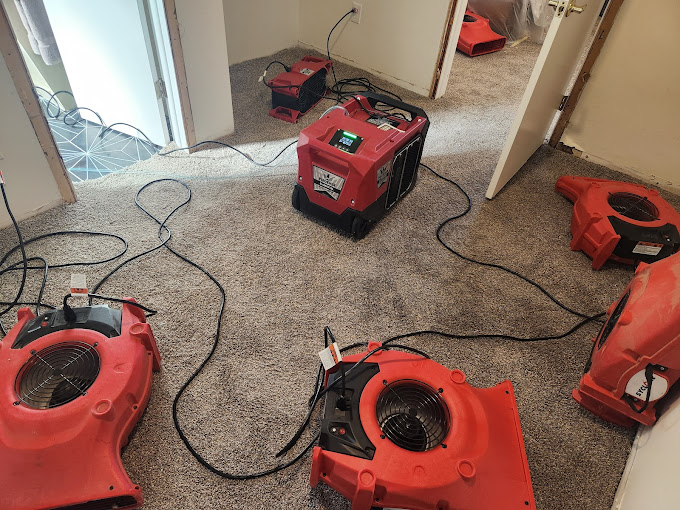
The cost of labor and machines in the restoration work is also a key point. Residential water damage repair needs trained workers and special tools such as heavy-duty dehumidifiers, air blowers, and moisture-finding devices. If damage is greater, more workers and machines are needed. This makes the total cost higher.
Duration of the Restoration Process
The time needed to finish the restoration work can also change how much it costs. Fast, simple fixes cost less money, but big restorations that take many weeks or even months will be more expensive. The time needed depends on how bad the damage is, how big the damaged area is, and if materials and workers are available.
Insurance Coverage
Homeowners insurance can be very important for the cost of residential water damage repair. Different policies have different rules, but many will help pay for some kinds of water damage. This means homeowners do not need to spend as much money from their pockets. But it is very important to know the details of the policy, like how much it covers and what you must pay yourself first. Partner with a home water damage repair company that knows well about insurance claims; they can make this process easier for you.
Geographic Location
Where the house is located can also affect how much it costs to fix water damage. Prices for workers and materials are different in each region, and places that often have natural disasters might see higher repair prices. This happens because more people need fixing help, and special skills or services may be needed there too.
Prevention Measures
Putting money into prevention steps can help lessen the chance of irreparable water damage and might make future repair costs lower. Checking plumbing systems regularly, sealing windows and roofs well, and setting up sump pumps or backwater valves are some examples of preventive actions homeowners can take.
Conclusion
Knowing the cost factors for residential water damage repair is very important for homeowners dealing with this problem. The total expense depends on how much damage there is, what kind of water caused it, which materials are affected, if mold needs to be removed, and whether things should be repaired or replaced. Also, labor and equipment, time needed for the restoration process, insurance coverage, location of the place, and preventive measures are very important in deciding costs.
When dealing with water damage, it is very important to hire a residential water damage restoration company that has a good reputation. These experts have the skills and the right tools to check the damage correctly and efficiently fix the home. Although the costs may be high, restoring things on time and in a good way can stop more harm from happening. It also makes sure that everyone stays safe and comfortable.